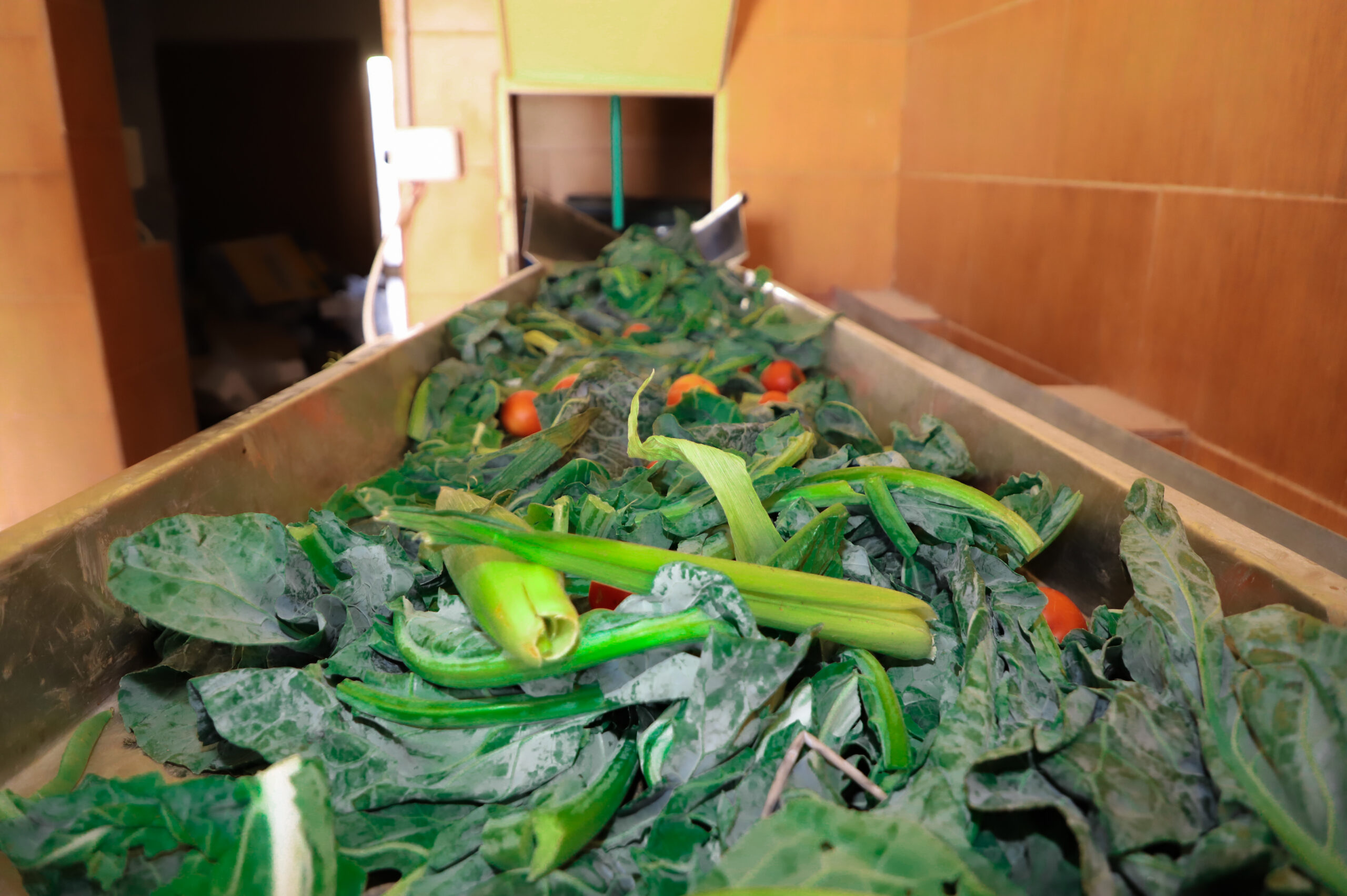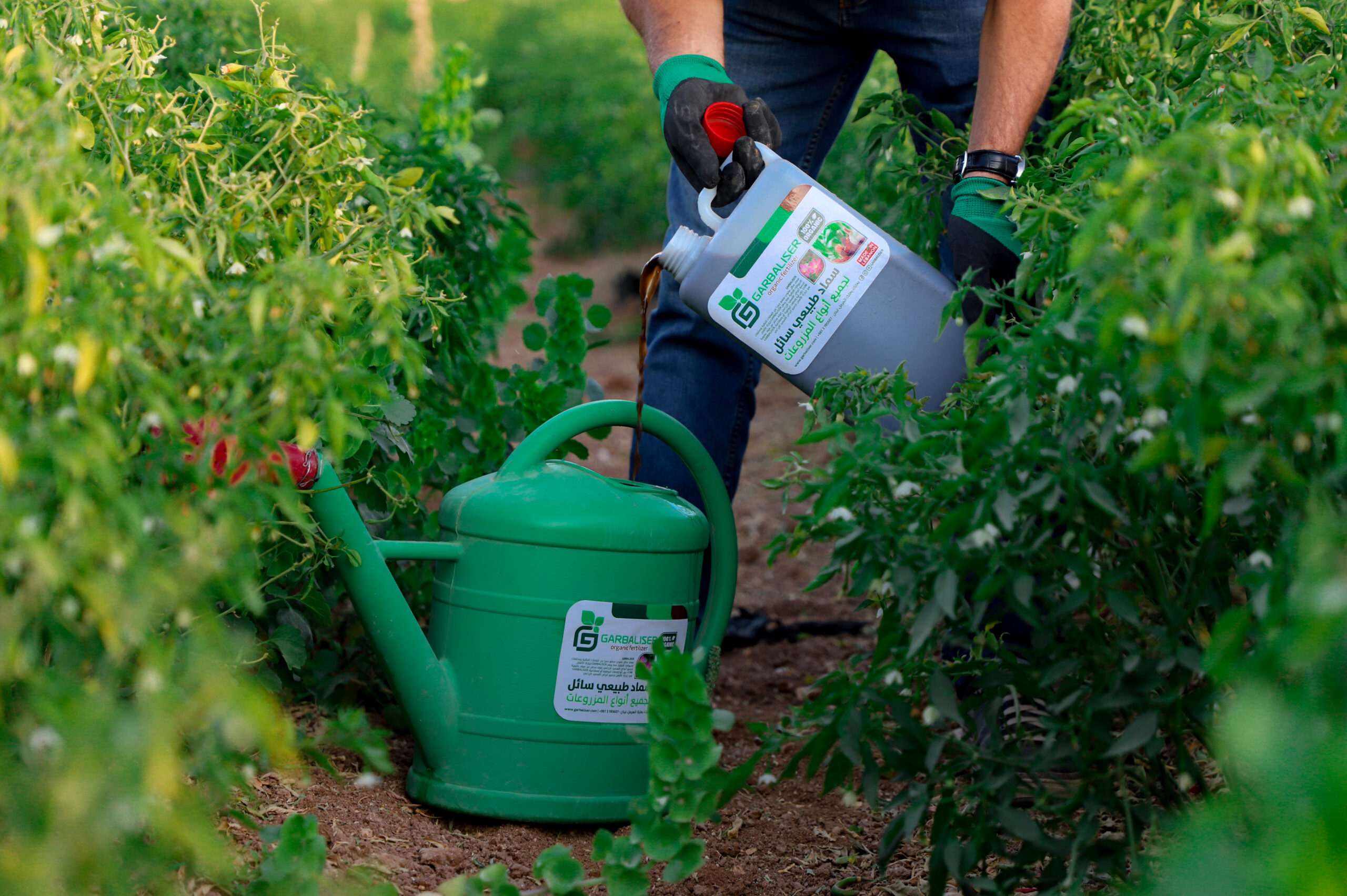
Manage food leftovers where they are generated.
A practical system combining source segregation, community engagement, collection, pre-treatment, quality control and tracking to manage food leftovers closer to where they are generated.
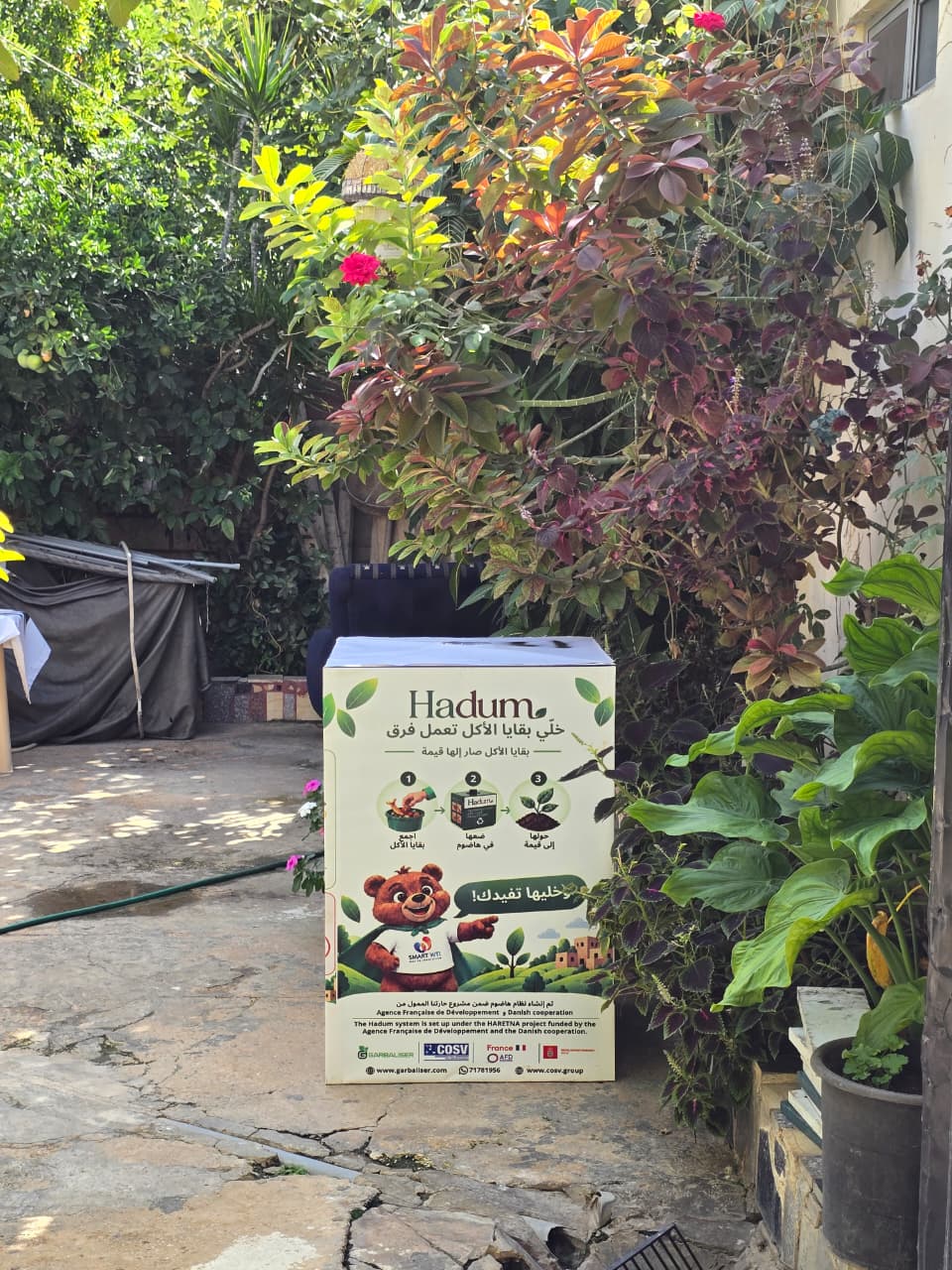 HADUM unit · HARETNA project
Food leftovers keep their value when they are separated and managed close to the source.
HADUM is Garbaliser's decentralized model for managing food leftovers. Instead of mixing leftovers with general waste and moving them far away, HADUM keeps them separated where they are generated, so they can be collected, prepared and recovered for productive use.
A HADUM deployment is more than equipment. Awareness, training, collection and follow-up are part of every deployment, because the model only works when the people around it take part.
Recovered biomass can then continue into local processing with FIAB and back to the field with SAMADI.
Food leftovers are kept separate from other waste where they are generated.
Residents, staff and students understand why sorting matters and take part.

Separated leftovers are collected as part of the deployment.
Material is prepared close to the source before it moves on.
Checks keep the recovered biomass clean and usable.

Follow-up and records show how each deployment performs.
Every HADUM deployment follows the same five steps, adapted to the site, its people and its partners.

Why separating food leftovers matters, for the whole community.

Users learn how to sort and use the system day to day.

HADUM is installed and set up for the local context.
Separated leftovers are collected and prepared.
Checks and follow-up keep the deployment working.
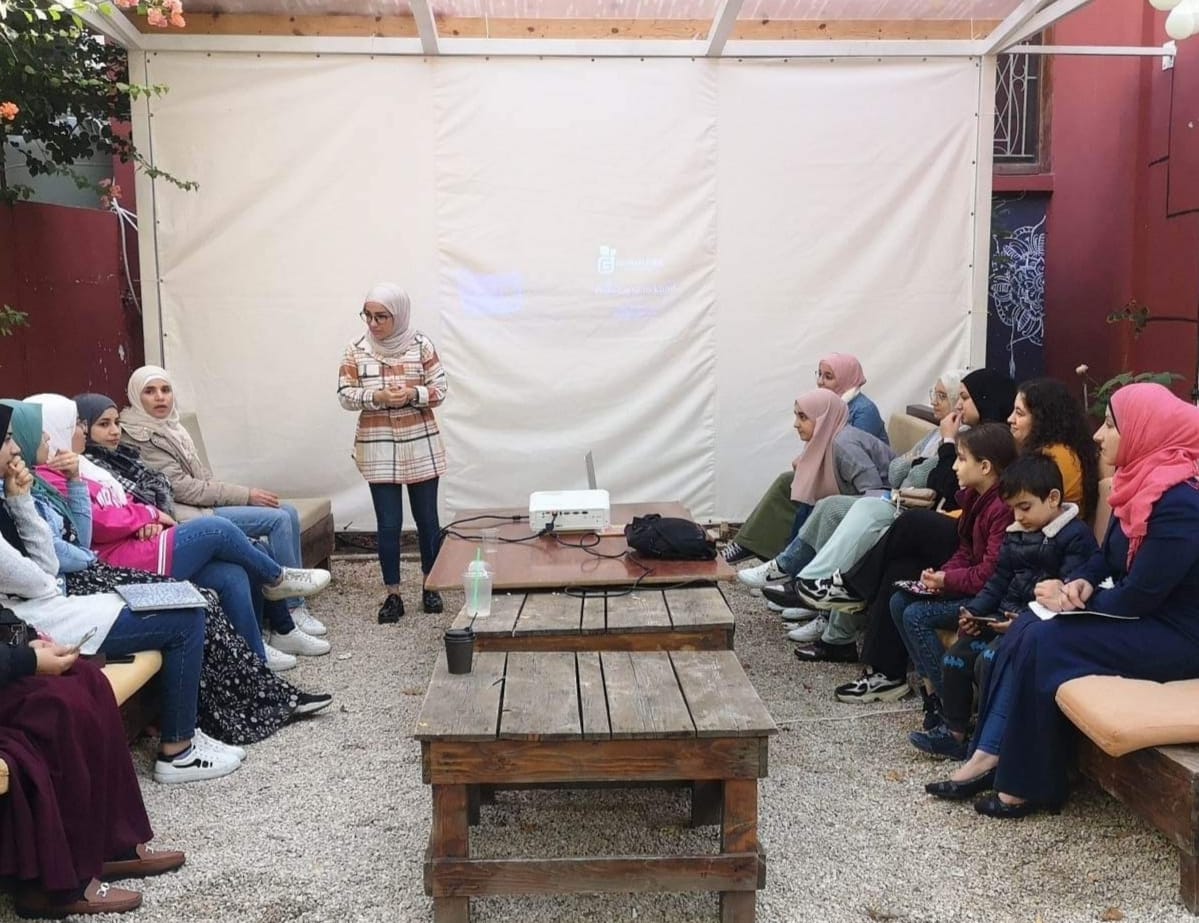 Awareness session
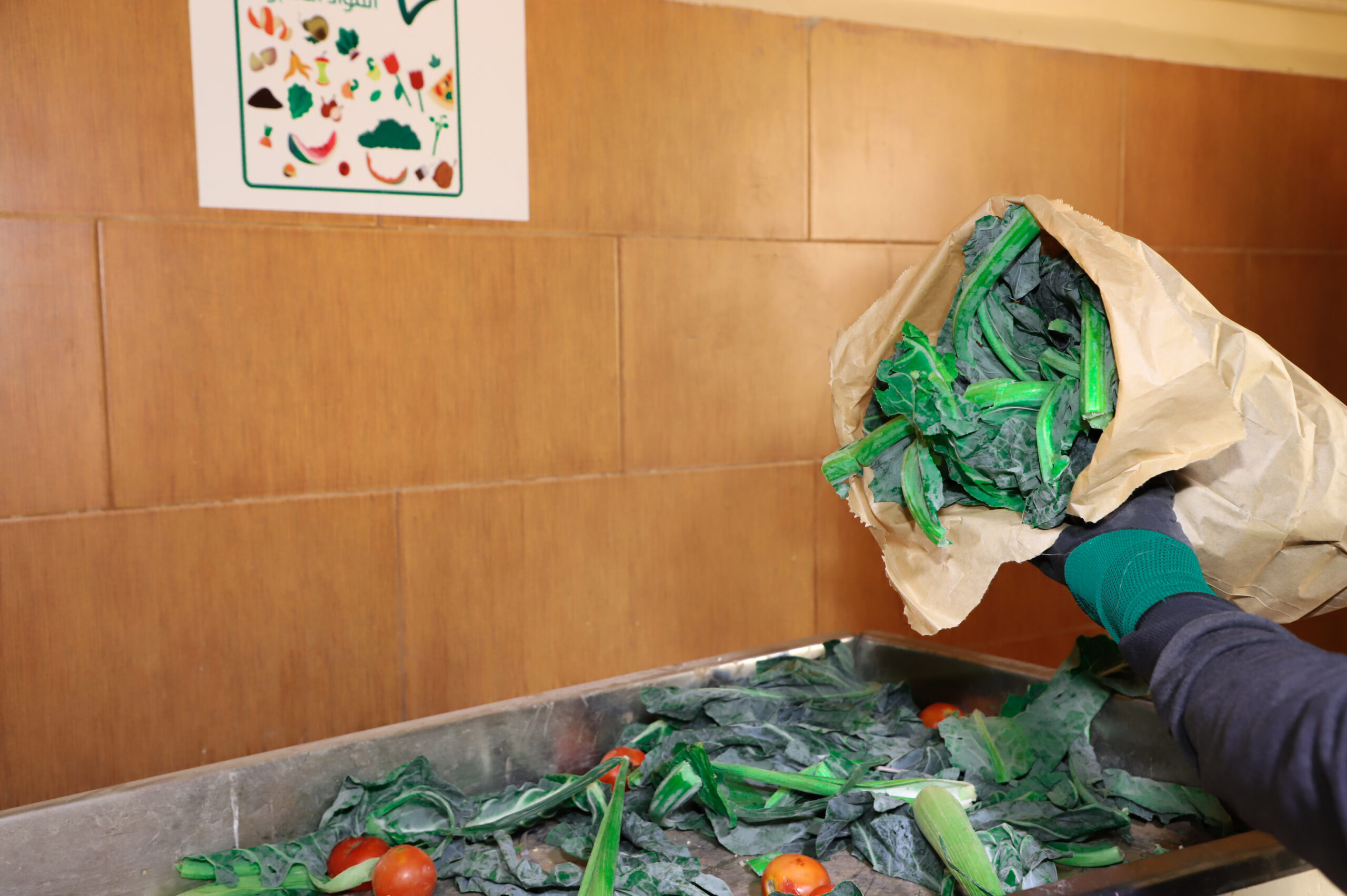 Sorted for collection
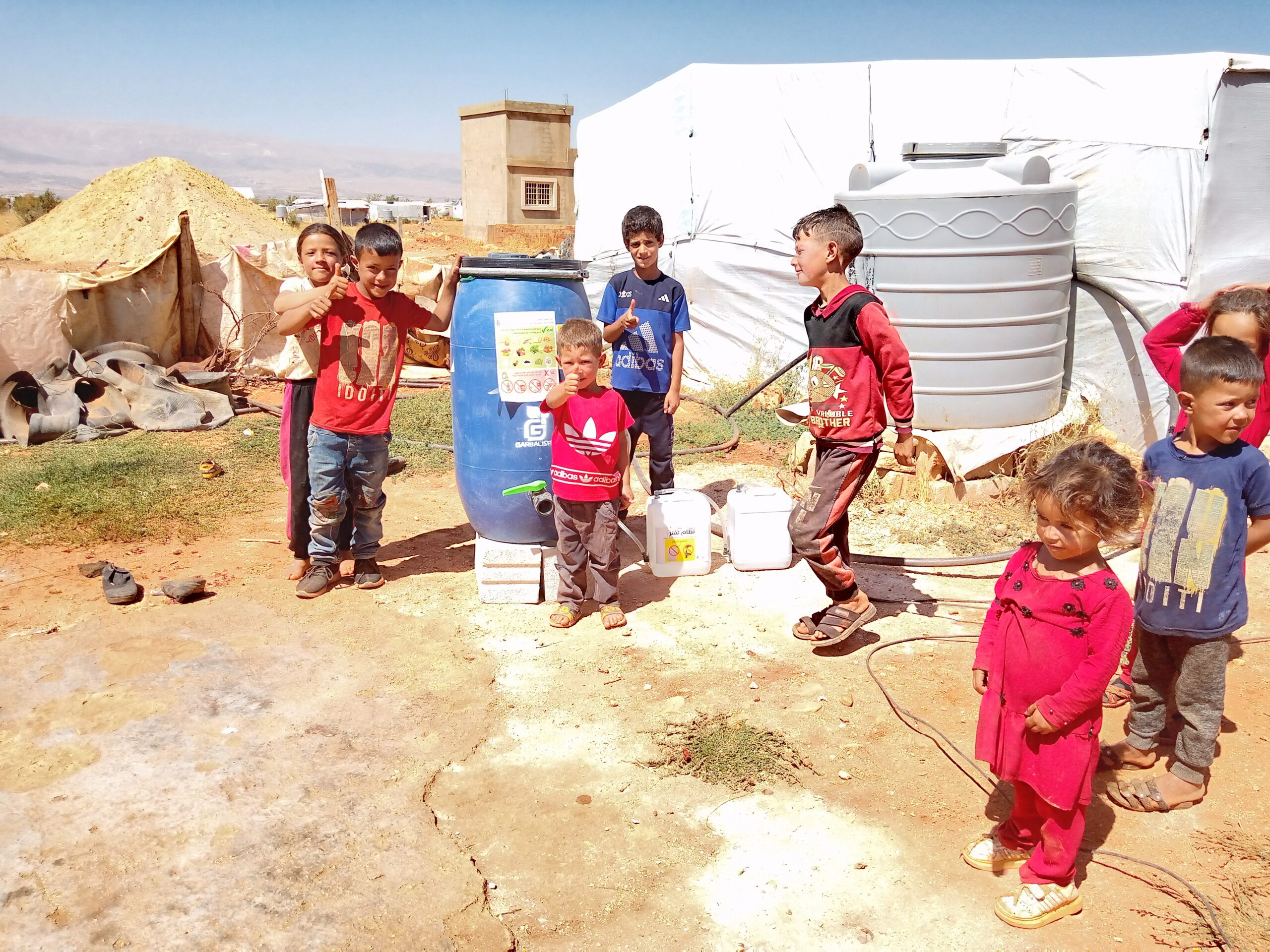 Community deployment
Each deployment is shaped around its location, its scale and the partners involved, from a single institution to a whole community.
Decentralized management of food leftovers with local participation.
Community projects that combine environmental and social value.
Sites that generate food leftovers every day.
Managing farm-level biomass close to where it is produced.




Tell us about your community, institution or programme and we will shape a deployment around it.